
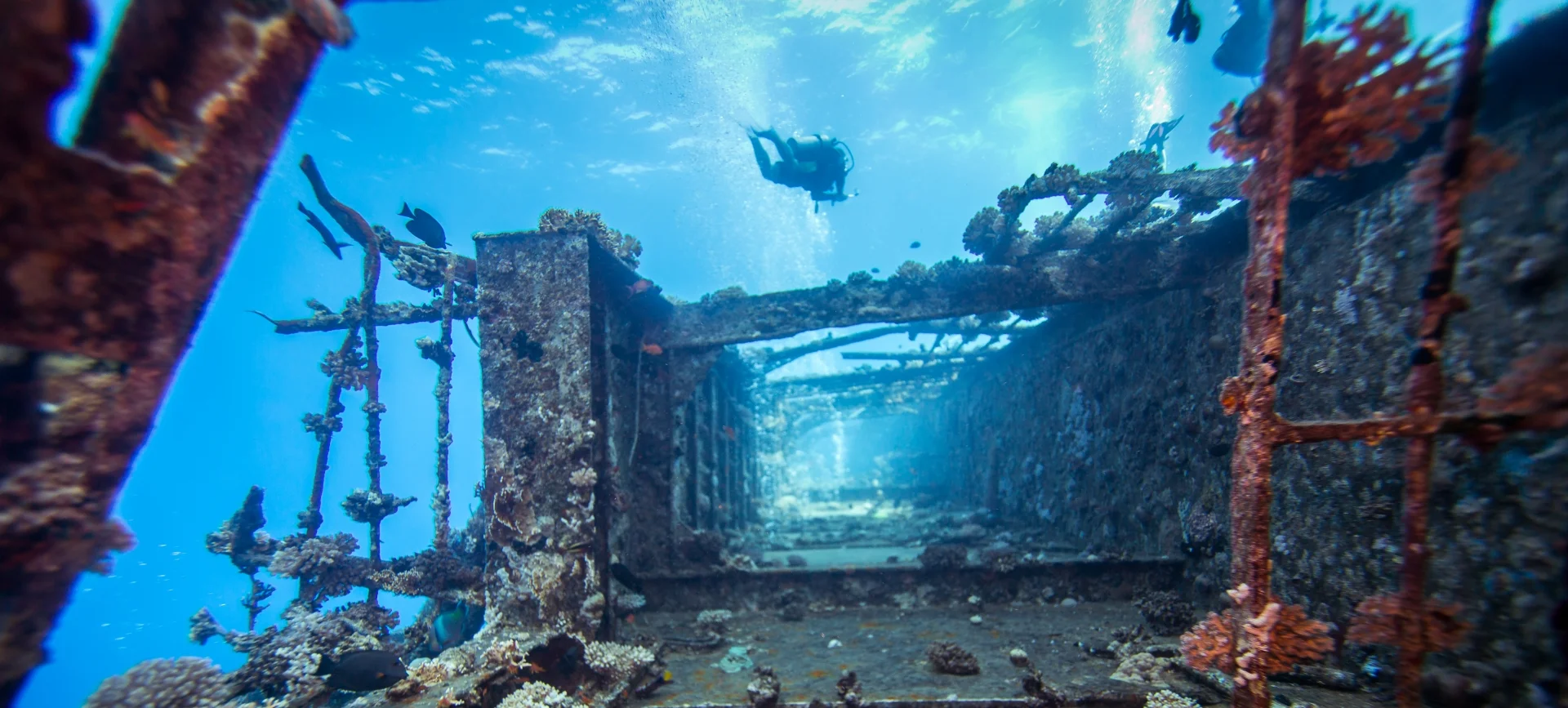

Diving the Red Sea in winter: Dec to Feb

Quick answer: Diving the Red Sea in winter is well worth it. From December to February the water sits at around 21–23°C, visibility is typically 20–30 m and the dive sites are quieter than in summer. Pack a 5 mm wetsuit with a hood and something warm for after the dive, pick the base that matches the conditions you like, and book online to save 10%.
Diving the Red Sea in winter: month by month
| Month | Water temperature | Visibility | What to expect |
|---|---|---|---|
| December | 22–23°C | 20–30 m | Transition to winter, still good diving; Christmas and New Year weeks |
| January | 21–23°C | 20–30 m | Calm seas, fewer visitors, excellent visibility |
| February | 21–22°C | 20–30 m | Best visibility of the winter months |
These are the figures from our month-by-month guide to the best time to dive in Egypt. Cooler than summer, yes, but still far warmer than any European dive destination at this time of year, and from October to February visibility regularly passes 30 m.
What to wear and what to pack
A 5 mm full-length wetsuit is the standard choice for winter, and a hood makes a real difference when you do several dives a day. If you feel the cold easily, go up to 7 mm or add a vest under your suit. A thicker suit is more buoyant, so plan a quick weight check on your first dive.
Most divers get cold after the dive, not during it. A wet suit and a breeze on the way back cool you down quickly, so bring a windproof jacket, a warm hat and dry clothes for the surface interval.
Nitrox is free for certified divers at all our centres. It will not keep you warmer, but less nitrogen over a week of repeat dives is always welcome; our article on Nitrox diving explains how it works.
Which base suits you in winter?
Marsa Alam: slightly warmer, with house reefs on the doorstep
In the south the water is usually about 0.5–1°C warmer than further north, and the house reefs can be dived all year. Shore diving is a winter favourite: no long ride home in a wet suit, and a hot shower is a short walk away. We run four centres in the Marsa Alam region, including the newest one, where diving at Sentido Acel Beach Resort starts from the beach in Acel Bay.
Makadi Bay and Sahl Hasheesh: easy reef days
The water here is slightly cooler in winter than in the south, but the diving is simple to organise. In Makadi Bay the Madinat Makadi house reef is reached from the centre's own jetty, and in Sahl Hasheesh you find our centre at Jaz Asteria.
El Gouna: wreck season
El Gouna has year-round access to the Abu Nuhas wrecks, and October to February brings the clearest water for wreck photography. The area is a little more exposed to winter swell than Marsa Alam, so the day's plan can change with the weather. Our two centres are at the Sheraton Miramar and the Mövenpick.
What you can see from December to February
- Dolphins: the dolphins at Dolphin House near Marsa Alam are resident in every season. Mornings are best, and the calm seas from October to May make the boat trip more comfortable. Sightings are never guaranteed.
- Turtles and dugongs: turtles are seen all year in the seagrass bays of the south, and dugong sightings have no clear seasonal peak.
- Sharks: at Elphinstone Reef the highest chance is from September to November. In December sightings are possible, and from January to March they are less frequent. Go for the walls and the corals, and treat a shark as a bonus. We recommend Advanced Open Water certification.
- Wrecks and reefs: clear winter water suits wide views of wrecks and coral walls.
Christmas and New Year: planning tips
- Reserve before you fly. Winter is the quiet season overall, but the holiday weeks are fixed dates for many families. Booking courses and dive packages in advance secures your place and the 10% online discount.
- Start courses early in the trip. A PADI Open Water Diver course takes 3 to 4 days, so begin on your first or second day and keep the rest of the holiday for fun dives.
- Use the mornings. Winter days are shorter, and the morning is also the best time for dolphins.
- Staying nearby? The hotel transfer is free within 15 km of each base.
- Prefer warm water? In the same months Zanzibar has 27–29°C. Read our guide to diving Zanzibar from December to February.
Frequently asked questions
How cold is the Red Sea in winter?
Between December and February the water is around 21–23°C. February is the coolest month at 21–22°C.
Is a 5 mm wetsuit enough?
For most divers, yes, especially with a hood. If you get cold quickly or plan three dives a day, a 7 mm suit or an extra vest is the more comfortable choice.
Can I do a dive course in winter?
Yes. Our centres teach all year, and house reefs and sheltered bays give beginners calm conditions in winter too.
Will I see dolphins or sharks?
Dolphins are resident at Dolphin House all year. Sharks at Elphinstone are possible in winter, but the peak is September to November. Neither can be promised.
Is winter a cheaper time to dive in Egypt?
Dive sites are quieter and resort prices are generally lower in winter. Our 10% discount for online bookings applies on top.
Book your winter dives
Whether you want a house reef in the south, wrecks from El Gouna or an easy reef day in Makadi Bay, our teams are diving every day this winter. Choose your base on our Egypt overview, book online and save 10% on courses and dive packages.